
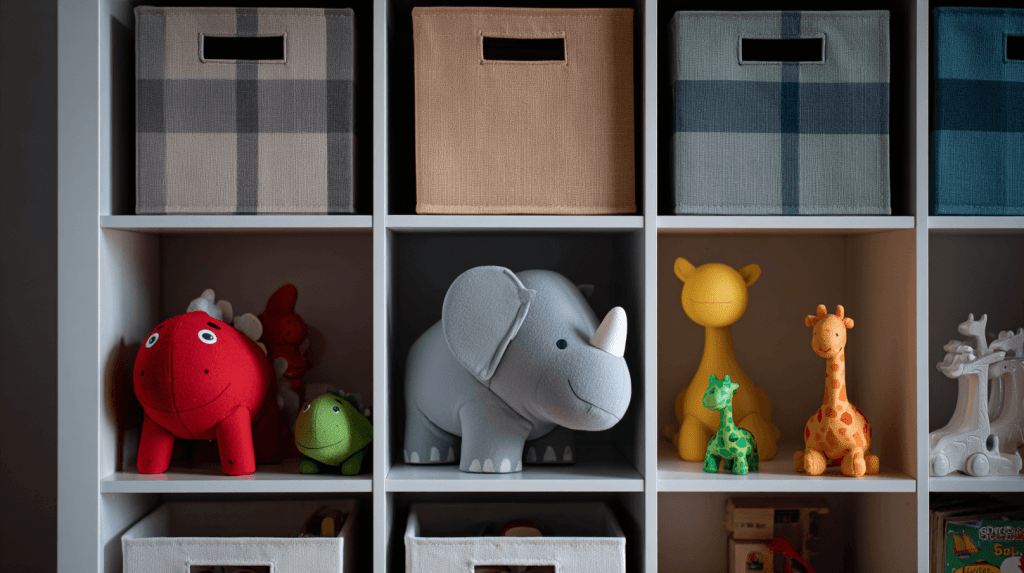
Tired of toys underfoot, messy closets, and constant kid clutter? You’re not alone! The good news is that getting organized with kids at home doesn’t have to be overwhelming—or expensive. With a little creativity and the right hacks, you can turn chaos into calm, making it easier for your little ones to find what they need and for you to keep things tidy. Here are twelve practical, clever, and even fun organization ideas that will make your home run smoother (and might just teach kids a thing or two about responsibility).
1. Cubbies and Bins for Quick Cleanups
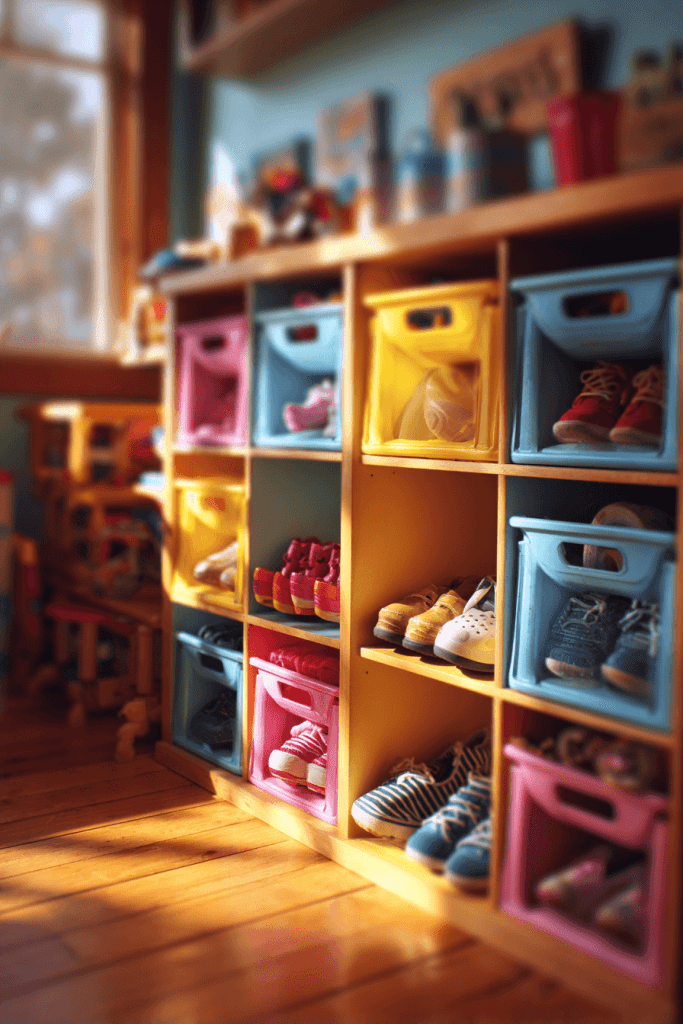
Colorful cubby shelves and bins are a parent’s best friend. Assign each child a cubby for shoes, backpacks, and personal items, then use labeled bins for toys or art supplies. Clear bins let kids see what’s inside, making it easier for them to clean up on their own.
Make tidying a part of the daily routine by setting a timer for a quick cleanup game before dinner or bedtime—everyone wins when the living room floor is clear!
2. Under-Bed Storage Solutions
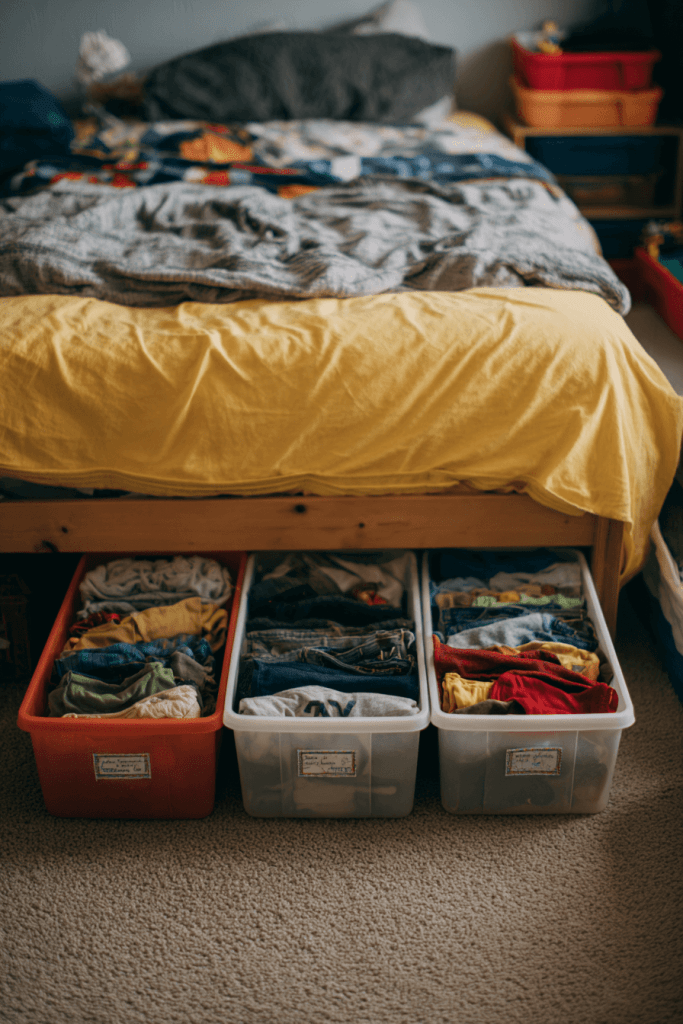
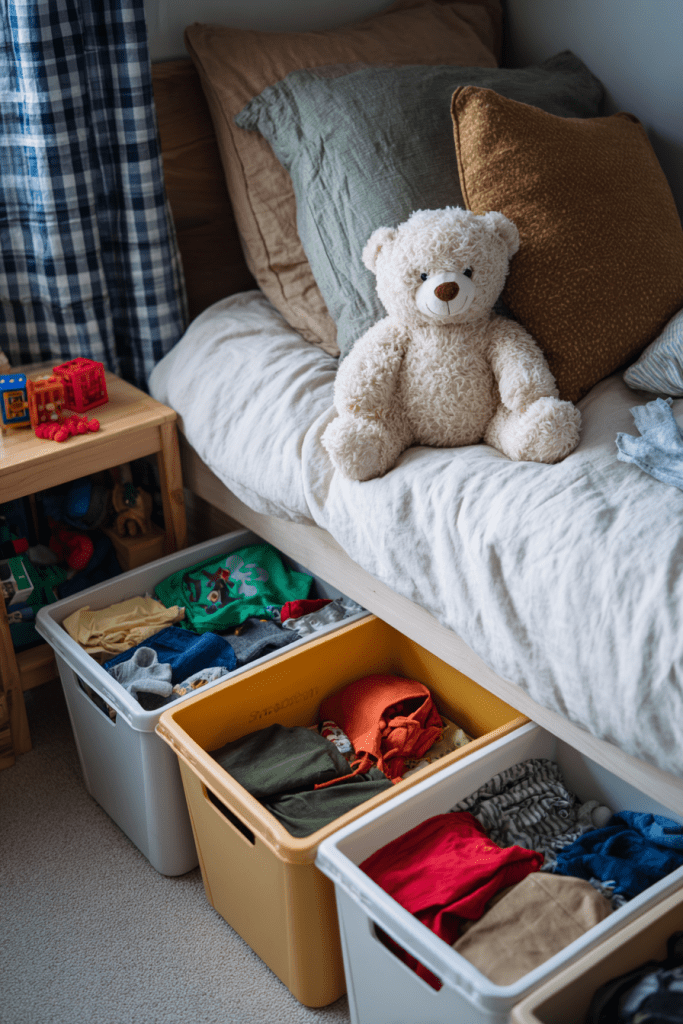
Make the most of hidden spaces with under-bed drawers, rolling bins, or flat storage boxes. These are perfect for out-of-season clothes, extra bedding, or even puzzles and games.
Choose options with wheels for easy access, and add playful labels to encourage kids to put things back where they belong. Under-bed storage keeps clutter out of sight but always within reach.
3. Over-the-Door Organizers
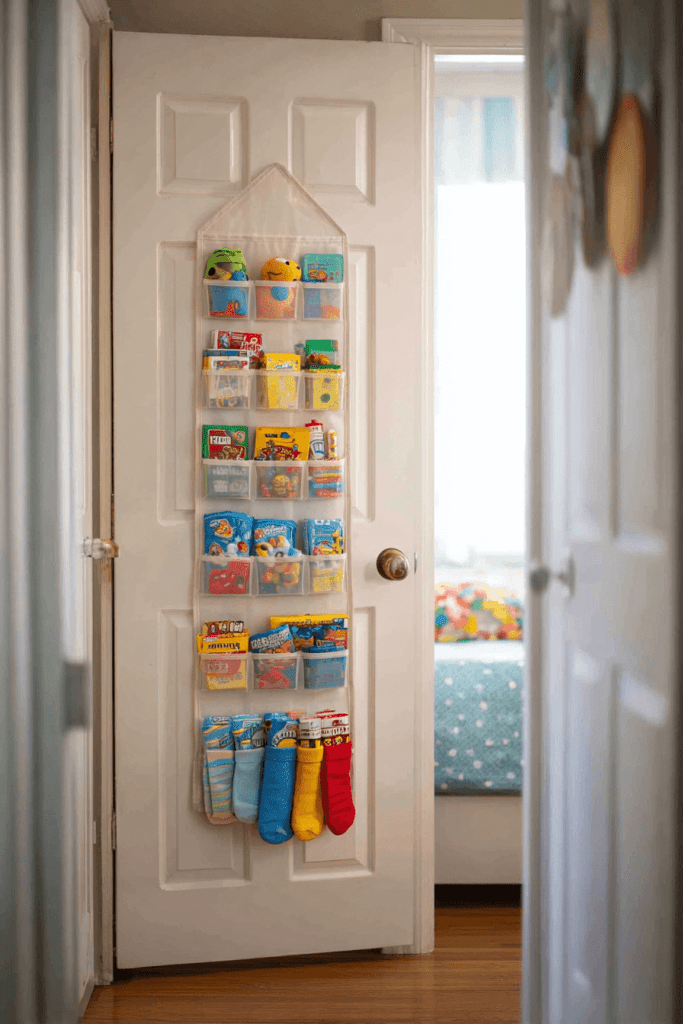
An over-the-door shoe organizer isn’t just for shoes! Hang one on a closet or bedroom door and fill the pockets with small toys, art supplies, socks, or accessories.
Clear pockets make it simple for kids to find what they need and put things back, saving space and reducing drawer chaos. It’s the perfect hack for tight spaces and shared rooms.
Product Recommendations:
4. DIY Homework Stations
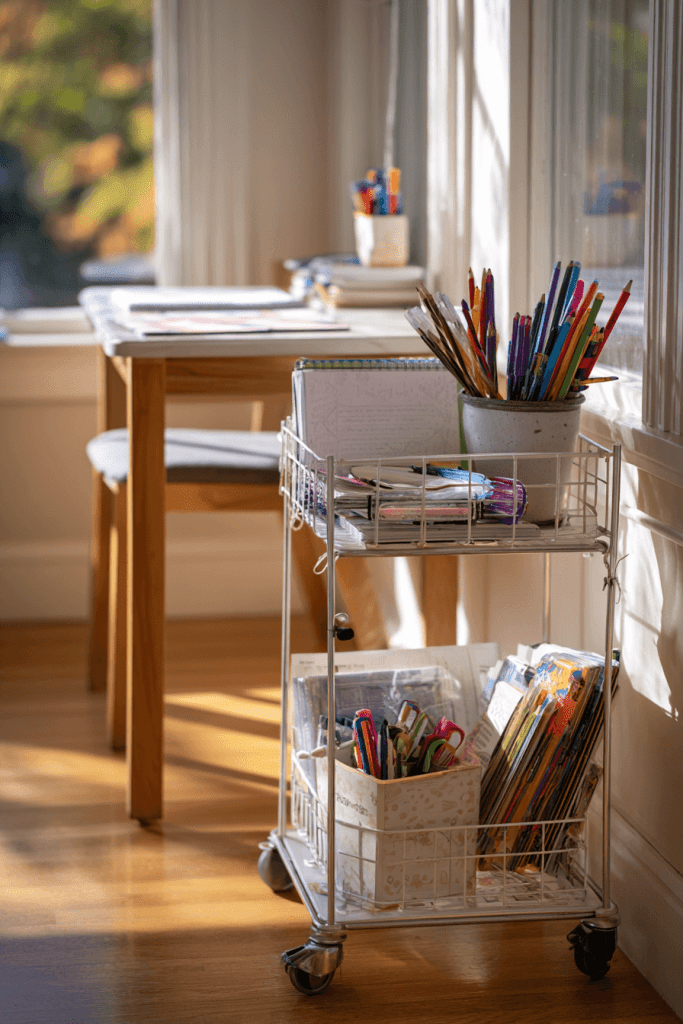
Create a homework-friendly zone with portable caddies, supply carts, or wall-mounted organizers. Stock it with pencils, scissors, glue sticks, and paper.
Having a dedicated space helps kids focus and keeps supplies from getting lost. Let kids personalize their station with stickers or a mini whiteboard for to-do lists.
5. Label Everything for Independence
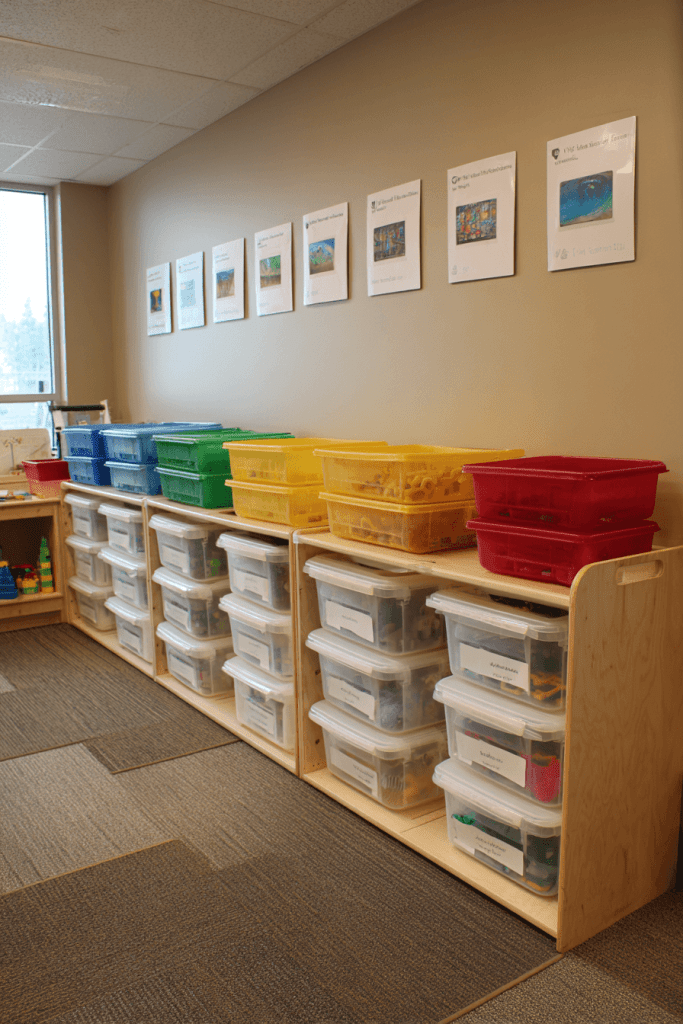
Labels empower kids to manage their own things. Use picture labels for younger children who can’t read yet, and word labels for older kids.
Label drawers, shelves, bins, and baskets. This simple system encourages independence, speeds up cleanups, and even helps with early literacy.
6. Rotating Toy System
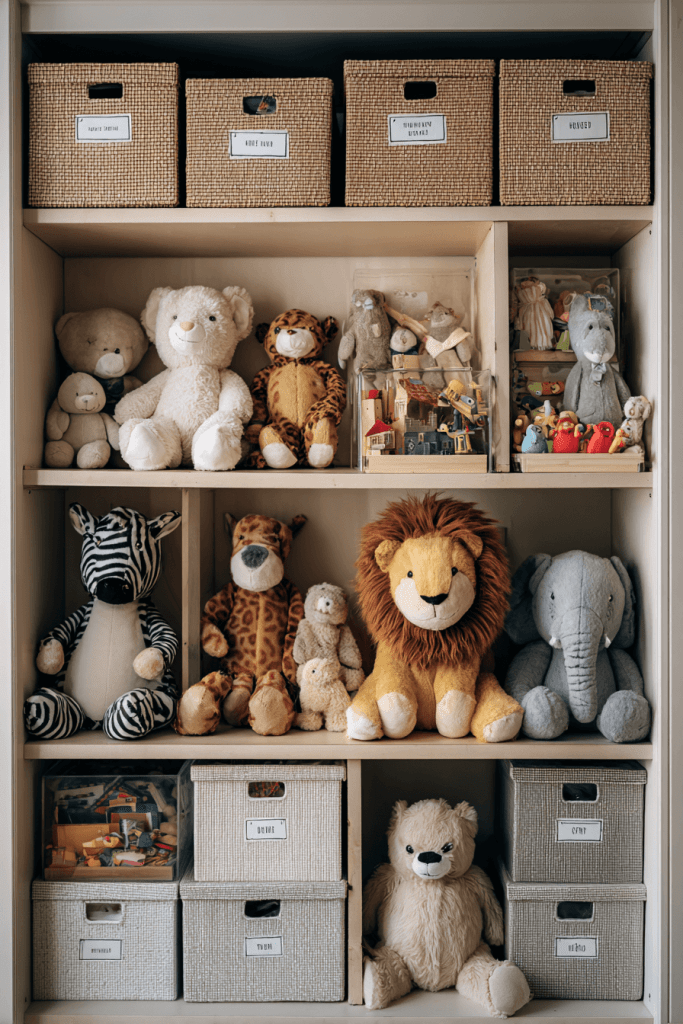
Avoid toy overload by setting up a rotation system. Store some toys out of sight and only keep a small selection available at a time.
Swap toys weekly or monthly for a “new toy” feeling without buying anything extra. Kids appreciate the variety, and you get less mess to manage!
7. Wall-Mounted Book Ledges
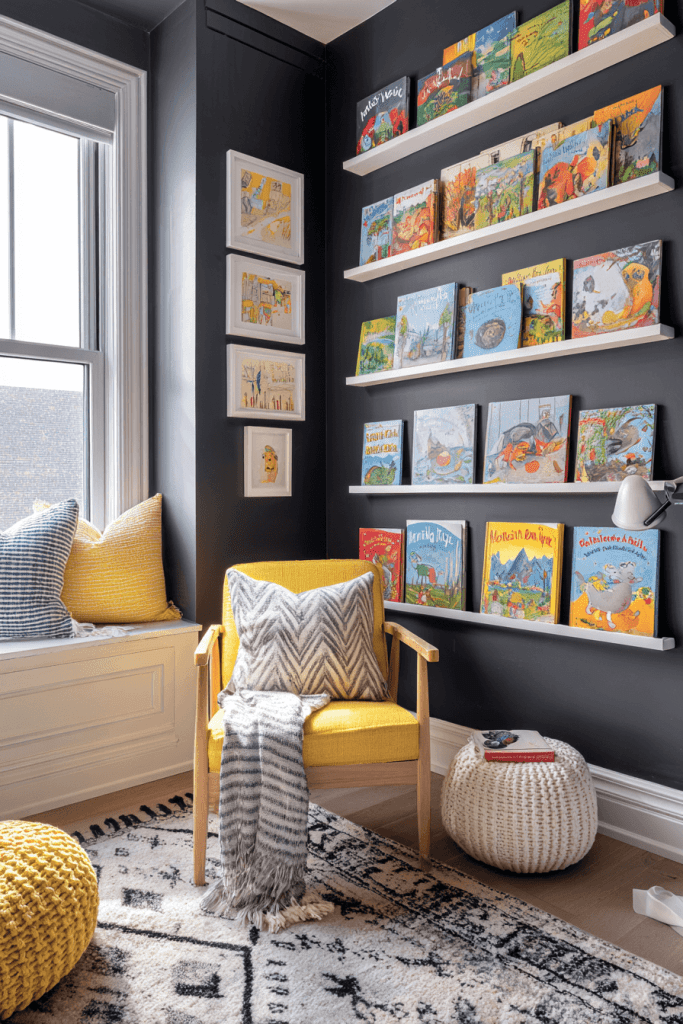
Encourage reading (and keep books tidy) with shallow wall-mounted shelves or ledges at kid height.
Display books with covers facing forward to make them easy and attractive to grab. This not only saves space but turns your child’s favorite books into ever-changing wall art.
8. Creative Art Supply Storage (Don’t Miss This One!)
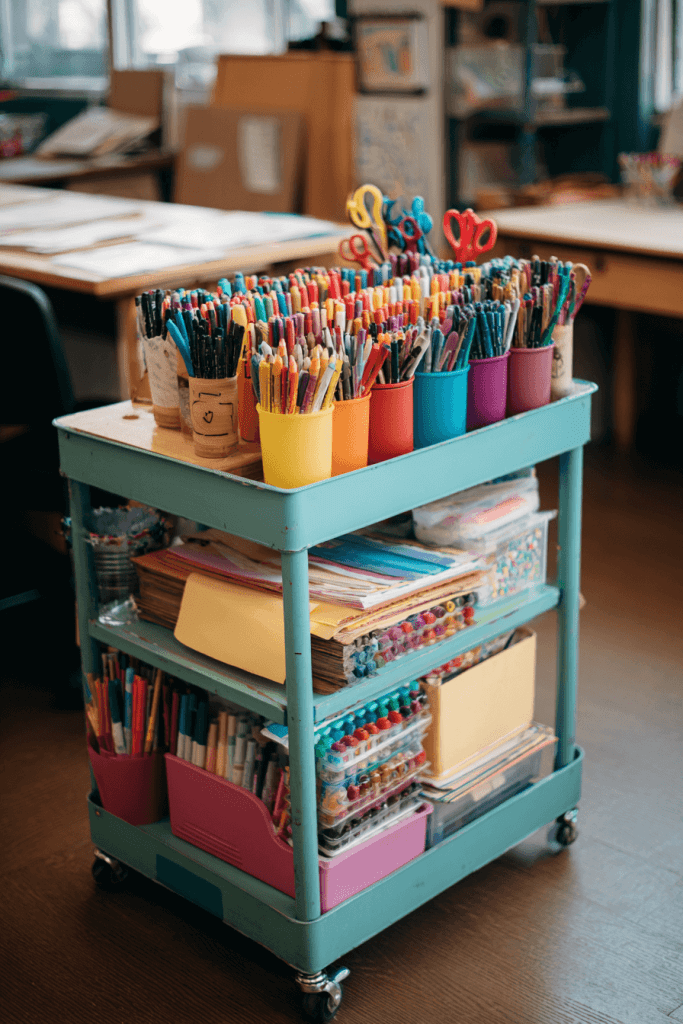
Tame the crayons and markers with clever storage! Use a rolling cart with clear cups or jars for supplies, or hang small buckets on a pegboard for easy access.
Designate a specific spot for art, so kids know where to create—and where to clean up. The more visible and accessible the supplies, the more inspired your little artists will be.
Product Recommendations:
- Rolling Utility Cart with 4 Drawers
- 3‑Layer Plastic Dividing Storage Craft Organizer
- GAMENOTE Rotating Art Supplies Organizer
9. Hooks for Bags and Coats
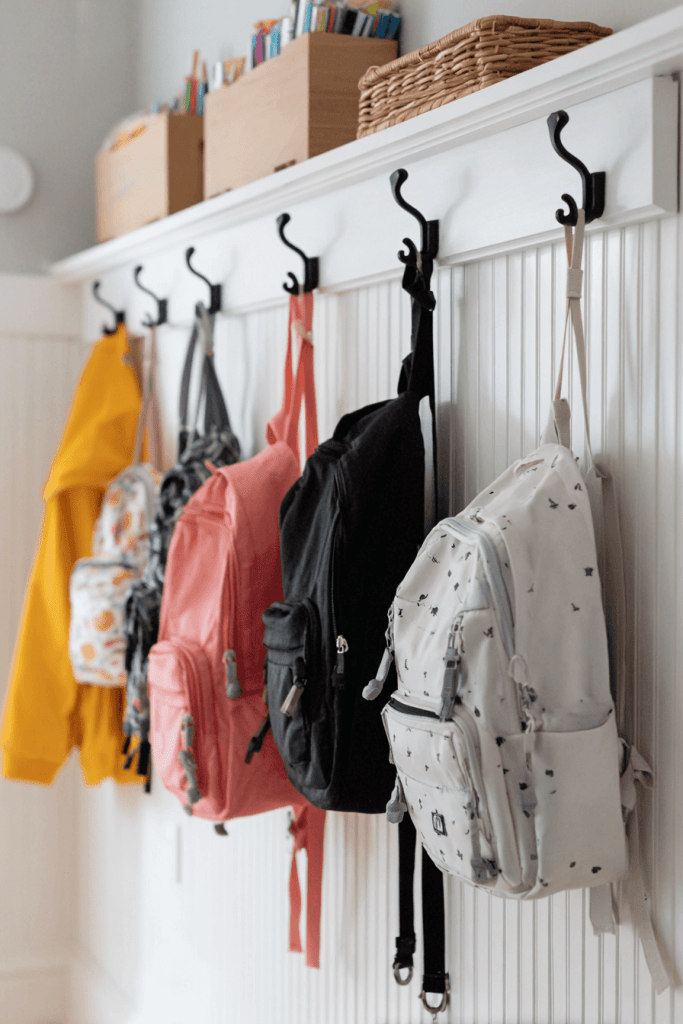
Install kid-height hooks in entryways, bedrooms, or closets for backpacks, jackets, and hats.
Let each child decorate their own hook for a sense of ownership. This simple hack cuts down on floor piles and teaches responsibility—plus, it makes busy mornings smoother!
10. Snack Station for Independence
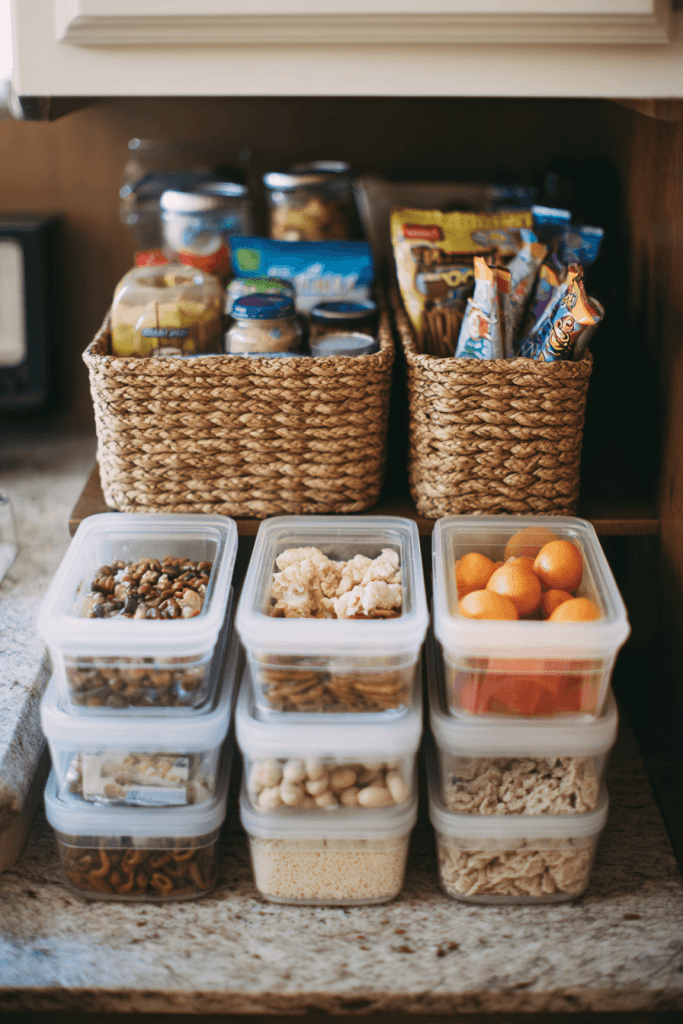
Set up a low pantry shelf or basket with healthy snacks that kids can reach themselves. Use clear bins for granola bars, fruit cups, or crackers.
A snack station encourages independence, reduces “what’s for snack?” questions, and makes lunch-packing a breeze.
11. Memory Boxes for Keepsakes
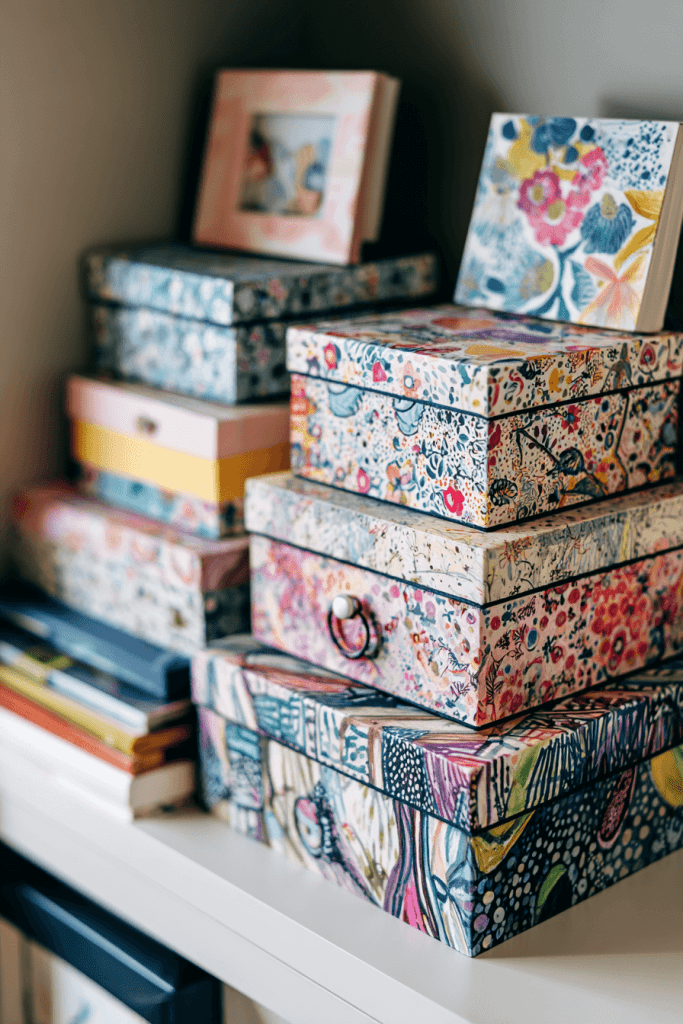
Assign each child a memory box or lidded container for treasured artwork, awards, and mementos.
Store the boxes in a closet or under the bed. Encourage kids to curate their favorite pieces a few times a year—it’s a great way to reduce clutter and celebrate what matters most.
12. Family Command Center
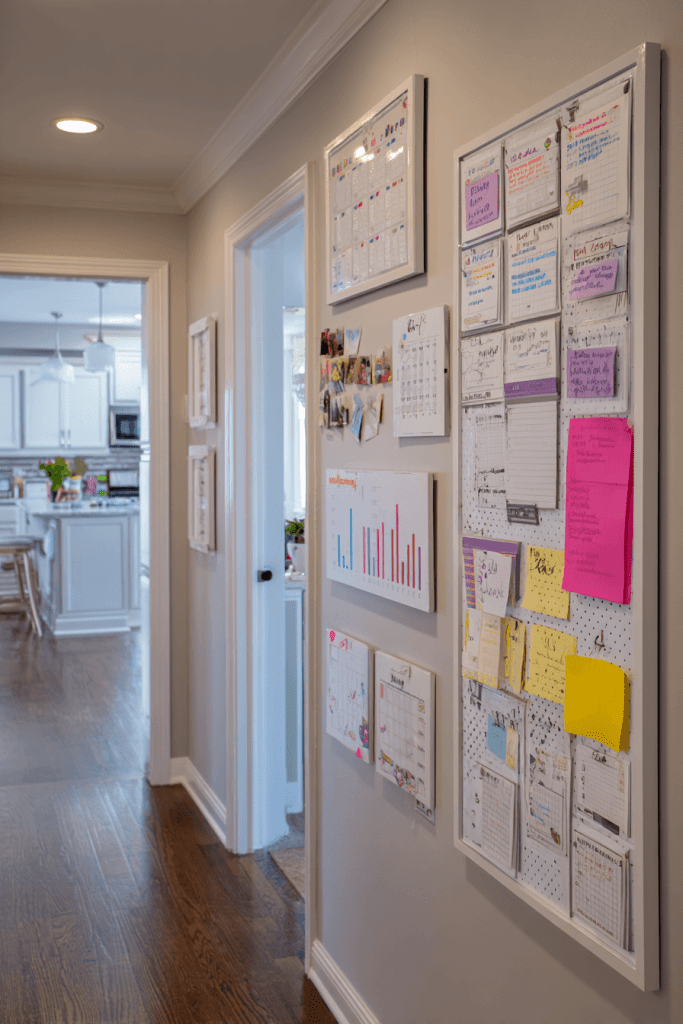
Keep everyone on track with a family command center in a common area. Include a calendar, chore chart, and space for important papers or reminders.
Use a whiteboard or corkboard and give each child their own section. A visual system helps kids understand routines and feel involved in family life.
Conclusion
Kids’ organization doesn’t have to be a struggle. With these twelve creative hacks, you can design a home that encourages independence, makes routines easier, and keeps the mess in check. A few smart systems now can make life smoother all year long—and give kids valuable life skills in the process. Happy organizing!


 The Deco Touch
Leave a comment